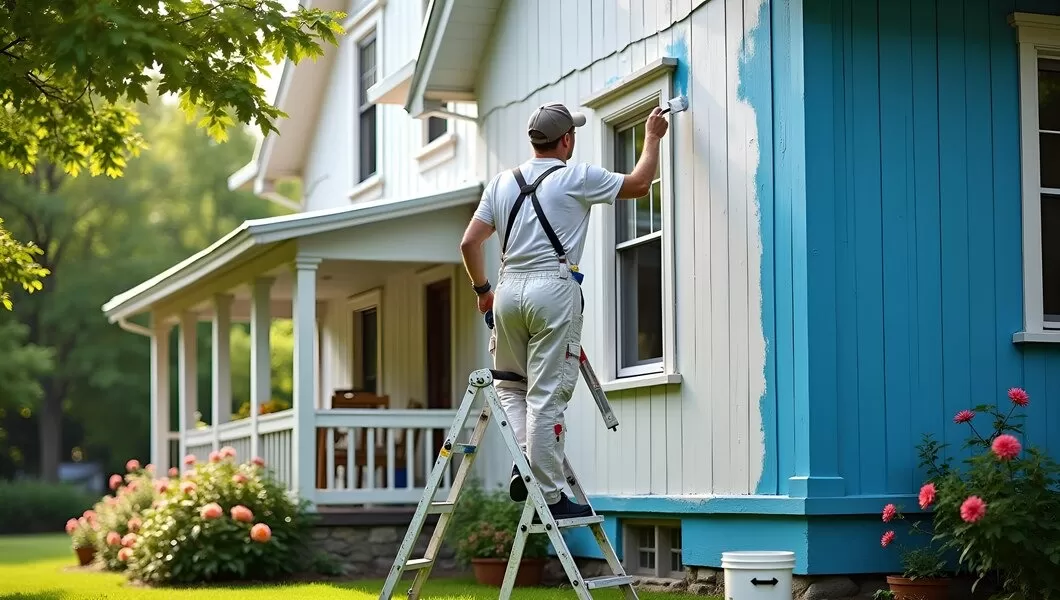
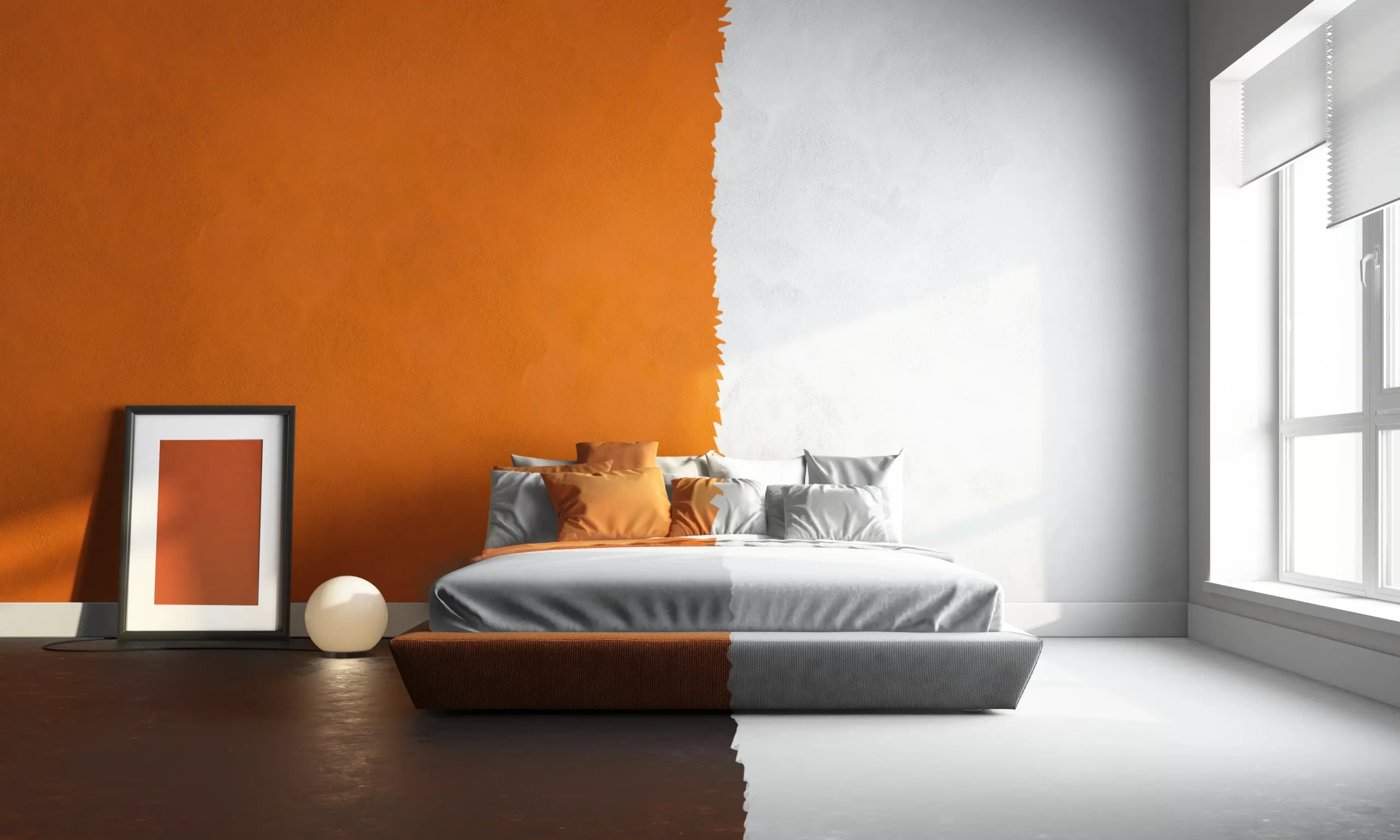
A poorly lit room can seem much smaller than it actually is, and thoughtful interior painting is the most effective way of altering this perspective. Paint that effectively reflects light, softens shadows, and imparts a sense of quiet warmth in areas that sunlight does not reach.
Rather than guessing, select colours deliberately. Think about the function of the room, the light you rely upon most and how shades react differently to natural and artificial light. A good choice now can mean you’re happy to live with the colour long into the future.
Study the Light Before You Paint
Before painting the interior, spend a day looking at the light in the room. When does the room look the brightest? When does it look the dimmest? Consider warm, milky beige, a soft peach or pale buttery yellow for a dark room since warm undertones often balance darker colours.
Always test samples on more than one wall, as colour changes during the day. In the morning it may appear calmer and by evening more dramatic.
Select a Finish That Reflects More Light
The finish, along with the colour, can affect the luminosity of a room in interior paint applications. Light is often absorbed by flat paintings, making confined spaces appear heavier. Light is softly reflected by eggshell or satin finishes, which also reduce glare. They are also more easily cleaned, which makes them useful for daily use. Selecting the appropriate sheen is a simple yet powerful method of making the space shine.
Work with Lighter Shades, Not Against Them
Generally lighter shades work best in poorly lit rooms but again balance is key to interior design scheme. A pale grey or a creamy off white or powder blue can be used to keep the room looking spacious without feeling too clinical. You need to stay away from bright white since artificial lighting might make it appear gloomy. To add depth, consider stacking ceilings or trimmings in similar tones. A little contrast maintains the room’s appeal while making it appear lighter.
Trust Professional Insight for Better Results
Good advice can take out a lot of the trial and error involved in the overall process. Expert painters know how colours will appear under low light conditions and are likely to recommend sample boards or digital mock-ups to clients prior to painting the interiors. The right preparation, an effective primer, and skillful application also enhance reflectivity. When all of the above details are tended to properly, the finished product will not only look better, but also last for a very long time.
In a Nutshell: Let Your Walls Create the Light
Lighting can never be an excuse to limit a room’s potential. With intelligent interior painting, even the dullest space can be rendered comforting and peaceful. Try to focus on light-reflecting finishes, warm hues, and colours that add subtle dimension.